
Blood Glucose Monitoring Training Course
This course is designed for nurses, carers, healthcare assistants and other healthcare professionals responsible for supporting people with diabetes. Learners develop practical skills in blood glucose testing and using a glucometer, alongside an understanding of normal blood glucose levels and the signs and symptoms of hypoglycaemia (low blood sugar) and hyperglycaemia (high blood sugar).
The course also covers HbA1c, diabetes-related complications, when and how blood glucose should be monitored, managing abnormal blood glucose levels and relevant legal requirements. Practical training helps participants confidently perform blood glucose checks and respond appropriately to abnormal results.
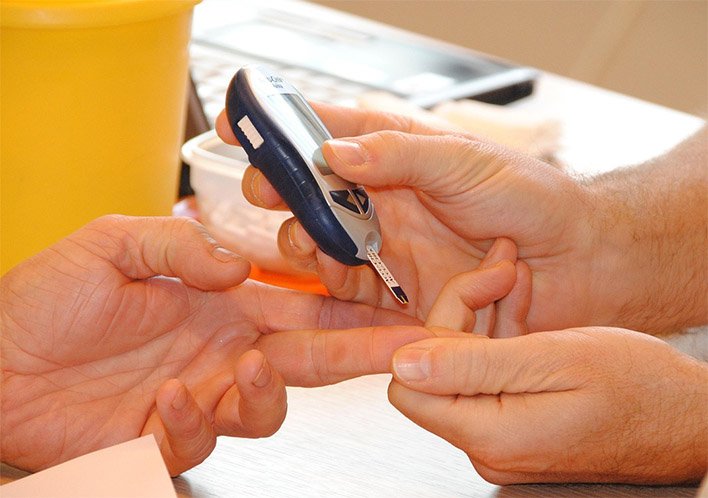
This course covers:
Blood Glucose and Blood Sugar: Understand the difference between blood glucose and blood sugar levels.
Signs and Symptoms: Recognise the signs and symptoms of abnormal blood glucose levels.
Blood Glucose Levels: Understand normal, high and low blood glucose levels.
Monitoring Blood Glucose: Understand why blood glucose levels need to be monitored and controlled.
Blood Glucose Testing: Learn how and when to perform blood glucose tests.
HbA1c Testing: Understand what an HbA1c test measures and how to interpret the results.
Diabetes Complications: Understand common complications associated with diabetes.
Managing Abnormal Levels: Learn how to respond appropriately to high and low blood glucose levels.
Legal Requirements: Understand relevant legislation and professional responsibilities.
Practical Blood Glucose Testing: Develop practical skills in taking and recording blood glucose levels.